Claude Opus 5 hit output limits on both 3×3 ladders
Claude Opus 5 sits 6th on the Index, clearing the 2×2 ladder but ending both 3×3 tests without an answer at level 6.
Where it stands
We ran Opus 5 at max, its highest effort setting. It scores 35.0 and sits 6th of 16 models on the Index. Just above it is GPT-6.1-Sol at max, with 44.0. Both cleared the 2×2 ladder and reached level 5 on the interactive 3×3, where the model turns the cube and sees each result. The difference was one-shot: GPT-6.1-Sol reached level 11, while Opus 5 stopped at level 5. Opus 5 did not unlock the 4×4 Gauntlet.
What stood out
The interactive 3×3 ended on a cube 6 moves from solved. Opus 5 never answered it. Over about 96 min, 4 consecutive replies hit the model’s output limit, consuming about 511,700 thinking tokens. Thinking counts toward that limit, so a reply can run out before it sends any moves. Claude Code let it continue after hitting the limit, but repeated overruns ended the test. It kept its 5 completed levels, with all 3 lives unused. The unanswered cube accounted for roughly three-quarters of the round’s time.
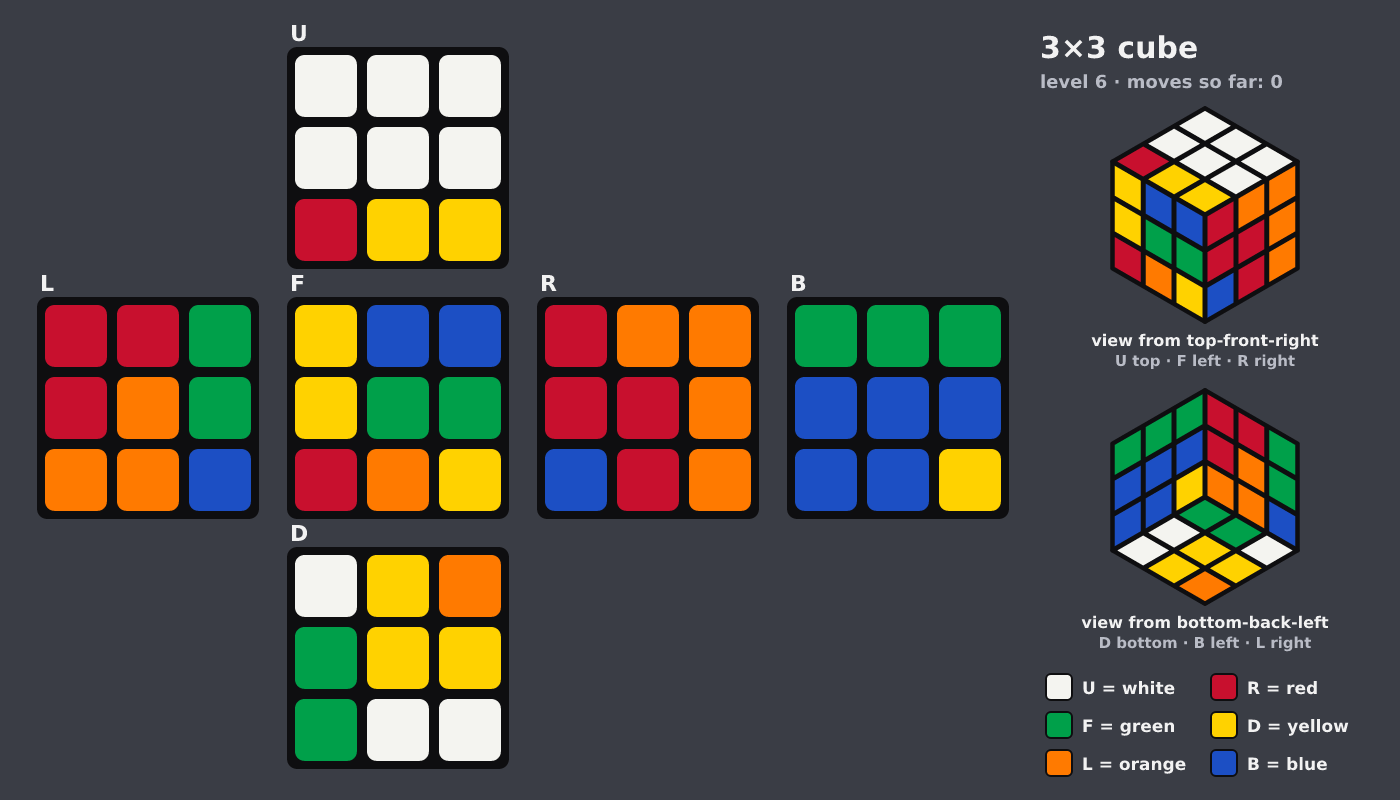
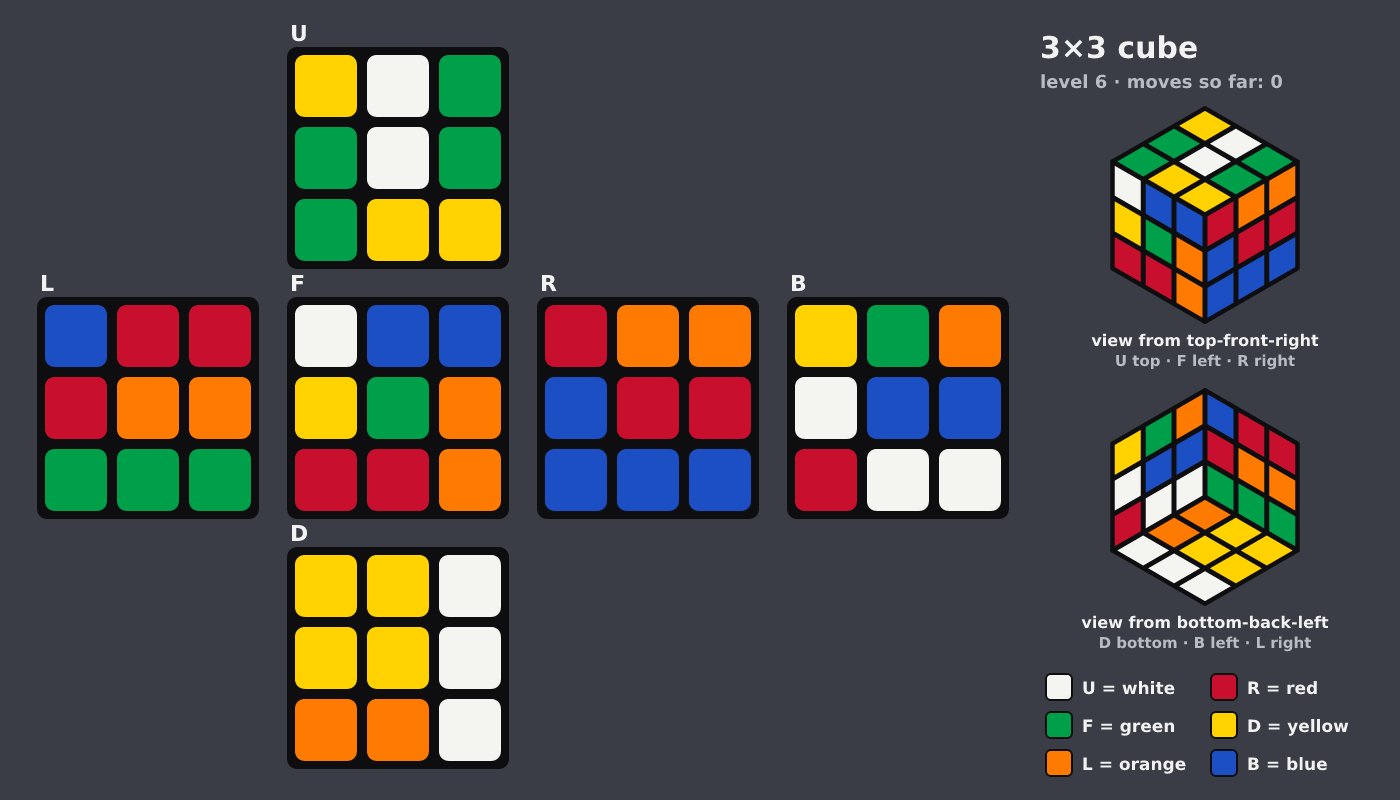
The one-shot test, where each cube gets one complete answer without a look at the result, ended the same way. At level 6, another 4 replies exhausted the output limit without an answer: about 511,700 thinking tokens over roughly 95 min. Again, all 3 lives remained. Across the two unanswered cubes, Opus 5 spent about 3 h 11 min without adding a completed level, nearly half the suite’s total time.
The run
Our only suite was at max. The 2×2 ladder finished with all 11 levels solved, no misses and 117 moves in total. It used 601,304 thinking tokens over 2 h 38 min to clear those cubes. On each 3×3 ladder, the first 5 solves used just 15 moves altogether, matching the combined scramble lengths. Interactive play went no further than one-shot. Neither 3×3 test ended through a wrong submitted solution or an exhausted move allowance: both stopped before Opus 5 submitted any moves for the sixth cube.
Time and cost
The suite took 6 h 43 min and cost $70.57 at API-equivalent rates. With no lower-effort runs, we have no cheaper Opus 5 result to compare. The completed 2×2 ladder cost $30.31; the interactive and one-shot 3×3 rounds cost $20.72 and $19.54 respectively.